Bottom-up Processing is one method of information processing that starts with the smallest details and gradually progresses to more complicated concepts. This is distinct from top-down process, in which we first form an overall impression of a scene before we look for specific evidence in favor of the initial hypothesis. Visual processors of a city street might first be able to sense that the area is chaotic, noisy, and overcrowded. They might look for certain signs to support this hypothesis like people rushing past crowds or traffic noise coming in from nearby cars.
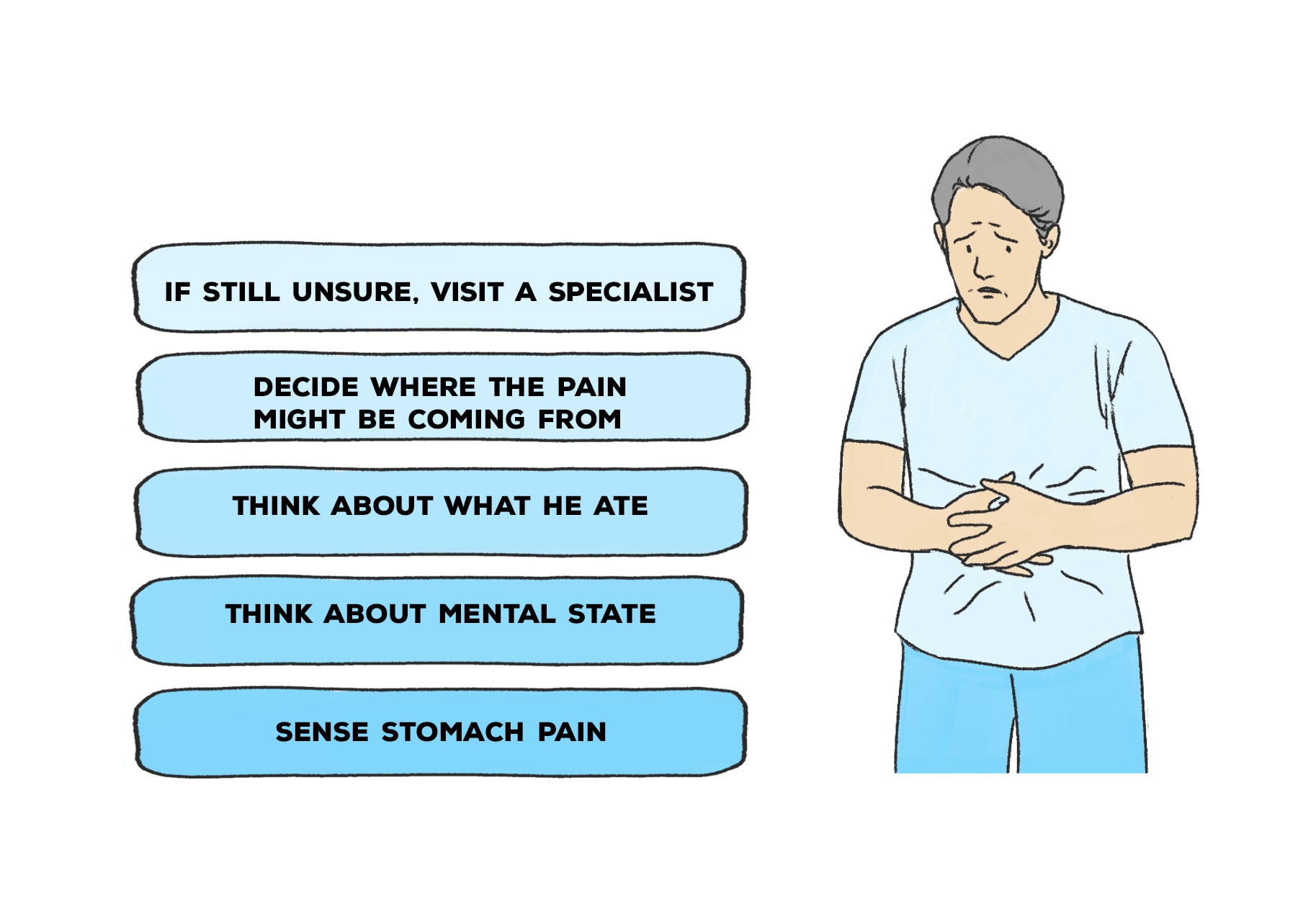
Because bottom-up processing tends be more data-driven than analytical, it has been thoroughly studied in connection with specific cognitive tasks like perception and memory. But, it could also be a significant factor in other areas of our lives, like decisions or creative pursuits like design or art. Bottom-up processing can be applied strategically and correctly to solve more complicated issues and gain better insight into their causes. Bottom-up processing, despite having been criticized in academic circles, is extremely useful for understanding the world around us , as well as our internal workings.
In the midst of our thinking and our actions are the intricate functions of the brain. The brain’s processes this intricate organ play a vital influence on everything from our cognitive and memory to our moods and behaviour. One of the most important mechanisms that has been identified to influence how the brain functions is called bottom-up processing. Bottom-up processing refers specifically to the way information is processed starting with the individual nerve cells as well as moving through neural pathways that are interconnected. This eventually impacts higher cognitive functions, for example, attention or perception. Not only has research shown that this process can have profound effects on things like memory and learning, but it might be a great option for treating disorders ranging from schizophrenia to Alzheimer’s disease. It is possible to unravel the mysteries of this by understanding the brain’s processes from the ground up. This will enable us to create powerful new tools for healthcare and neuroscience.
Bottom-up processing refers the way in which our brain processes information. In contrast to top-down processing, which is more focused on incorporating expectations and prior knowledge into the learning process. Bottom-up processing relies on fresh and raw data. Bottom-up processing can be extremely beneficial to all learners. It focuses on particular aspects of learning from the basic language and sounds up to more sophisticated concepts and concepts.
The main benefit of processing bottom-up is that it permits us to take a look back and examine each individual element of information as we see it. This allows us to remain in the loop and inspired to learn new concepts, enhance existing ones, or identify opportunities for improvement. To gain a better understanding of the data, we could be able to highlight the ways in which they are connected by networks and logical chains. In the end, by engaging in bottom-up process, we can improve our learning and more effective communicators overall.
For more information, click Practical Psychology