In today’s data-driven world business across the globe rely on the power of artificial intelligence (AI) and machine learning (ML) to discover important insights from huge amounts of data. Image annotation, an essential component of computer vision, helps to interpret visual data. In this article, we look at the world of image analysis, and look at the significance of tools, software and solutions that enable data-driven decision making.
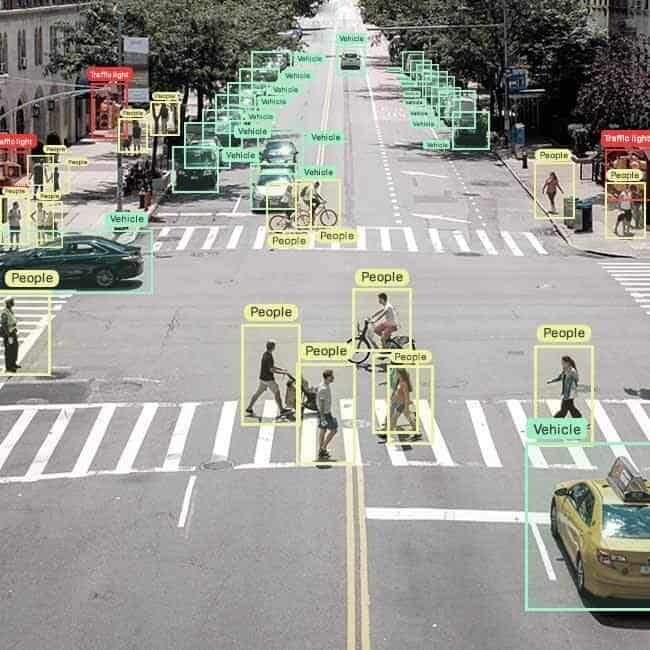
Image annotation is a method that involves labeling, or tagging images with metadata. This aids computers in understanding and interpret visual information accurately. Image annotation lets ML models recognize objects, patterns and other attributes within images by adding annotations, such as bounding boxes or polygons. This process bridges between raw image data, and actionable insights. It opens the doors to applications across a variety of domains including autonomous vehicles and medical imaging.
A variety of tools are available to make it easier for image annotation. They provide user-friendly interfaces that allow annotations to mark objects or areas of interest in images without difficulties. These tools come with a variety options, along with options for customization that can be tailored to meet specific data requirements. Image annotation tools are many tools, starting with basic drawing tools, to automatic suggestions, as well as advanced recognition of shapes. They increase the precision and effectiveness of annotation and allow annotators to work quickly and accurately.
Image annotation takes the annotation process to the next level by incorporating automation and collaboration features. These software solutions leverage ML algorithms to automatize the process of annotation, decreasing manual labor and increasing the speed of annotation. An annotation software employs methods like active learning and transfers the learning process to improve the speed of labeling while still ensuring quality results.
Moreover, annotation software facilitates collaboration between multiple annotators which allows teams to collaborate seamlessly. It permits real-time communication including annotation versioning, comments and annotation and also creates a collaborative atmosphere. This collaborative approach not only improves annotation quality, but also allows sharing of information and ensures an even distribution of annotations.
When choosing an image-annotation software, you should consider several factors. Firstly, the solution should match the particular requirements of the project, including the kinds of annotations required (e.g. bounding boxes and polygons as well as keypoints) as well as the complexity of the task of labeling, as well as the scalability of the solution.
In addition, flexibility and adaptability are key. A reliable annotation system should be able to modify workflows to accommodate annotations, and also integrate with the existing software for managing data. It should also be compatible with a variety of data formats. This flexibility allows the annotation solution to seamlessly integrate into existing workflows and pipelines, increasing overall productivity.
The quality of annotations produced by the software is also something to be assessed. Secure image annotation tools employ quality control techniques to ensure accurate and consistent labeling. These are mechanisms that include inter-annotator verification, validation of annotations and continuous feedback between annotators.
The significance of image annotation goes beyond the process of annotation itself. Tools, solutions for image annotation, and software can help companies maximize the value of their data through a variety of ways. Firstly, accurate annotations allow for better and more reliable ML model development and training. These models can then be used in a variety of applications, including object recognition, image classifying and anomaly detection.
Image annotation may also be used to help make data-driven decision by providing relevant and deep insight. For example, in the field of healthcare, annotated medical images help in diagnosing illnesses in determining abnormalities, as well as planning treatment plans. Images with annotations are employed in e-commerce for support of search capabilities for images visually merchandising, visual merchandising, as well as product recommendations systems.
The use of annotation for images combined with data science has revolutionized the way we work by making an asset that is valuable. It aids in the speed of data analysis, reveal connections that are not obvious, and generate real-time insight. Image annotation can assist organizations streamline their processes and get on the market quicker, while cutting costs. They also gain an edge in the market. Images are an excellent way to communicate concepts, and they’re more comprehensible than abstract images. A properly annotated image can help to make information more accessible to all parties. If used correctly images can be an effective tool to transform data into actionable insights and maximizing the value of information in all kinds of applications.