The tools that power the retail and service industry are changing. The current POS system is at the core of this evolution. It’s an amalgamation of hardware and sytems that transcend cash registers receipts and other fundamental features. The collection of payments isn’t the only factor that is important. Point of Sales Experience is now focused on operational intelligence, customer insights, and seamless integration throughout the business.
The Heart of the System: How POS Software Goes Beyond Transactions
While a traditional setup may manage basic transactions Point of sale POS software is a command center. It automatically updates stock and sends alerts if products are out of stock. It monitors sales history and preferences. Each transaction is turned into valuable data for future purchases and decisions in marketing.
A reliable POS system’s ability to link departments is one of its lesser-known functions. Instead of handling payroll in isolation For instance, some systems include time clock functionality that directly informs employee scheduling and wage calculation. The result is a more efficient process and less stress for the administrator.
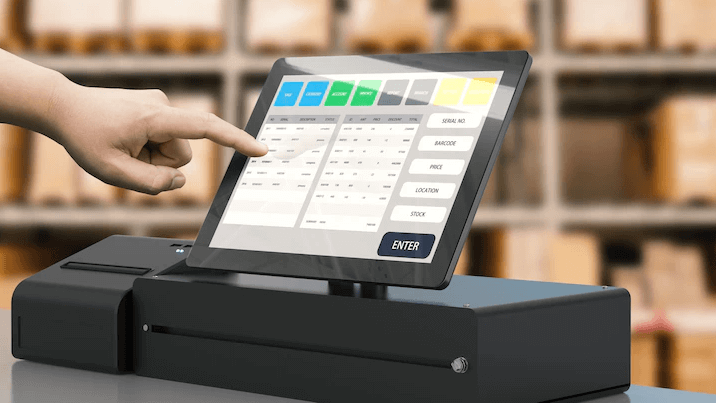
POS software today offers the ability to sync, which is crucial for businesses that have physically located locations as well as an online one. Products displayed in stores will reflect online inventory at any time. This prevents double-selling and inventory not matching. This method of unified operation is vital since shopping trends shift to hybrid purchases where customers can browse online before picking up the product at the shop.
Why integration is more crucial than ever
Integration is where the modern POS point of sale system truly shines. No longer do you have to “talk” between different applications. A robust POS platform can be defined by its capability to connect sales, inventory management, staff management and accounting.
Be aware of the user experience. A single scan at checkout can reveal the loyalty points of a customer and then apply the discount to them and even send an email receipt to their inbox, without slowing down the line. Backend, this sale is updated with revenue totals as well as stock availability as well as daily reports. This provides a personalized shopping experience, while reducing any manual inputs and the possibility of errors.
For managers and business owners This level of understanding is vital. With reliable, current data always available, they can react quicker to the trends in demand and adapt pricing strategies and ensure that their staff is adequately staffed in peak hours.
The long-term benefits of smart Investment
It’s no wonder that more and more companies invest in POS systems. They yield tangible outcomes. They’re not just faster and more precise, but they also help make better decisions for long-term growth. It doesn’t matter if you’re running a one-location cafe or a growing chain of retail stores, a properly-designed POS point of sale helps simplify operations and expose patterns that you might have missed.
Modern day point-of-sale is extremely efficient, yet quiet element of the customer experience. Today, customers expect quick checkouts, accurate stock updates and adaptability in digital payment. Businesses that exceed these expectations build trust and encourage repeat business.
Final Thoughts
Modern POS system is more than just a cash-out tool it’s a bridge between your product, your staff as well as your client. A POS system that’s right for your business can help you make better decisions and increase efficiency.
In today’s highly competitive business, being ahead of the competitors means being aware in a fast-paced, flexible and focused manner on your clients. You’re not only making sales, but you’re also creating something that lasts through a clever integrated POS point-of-sale system.